
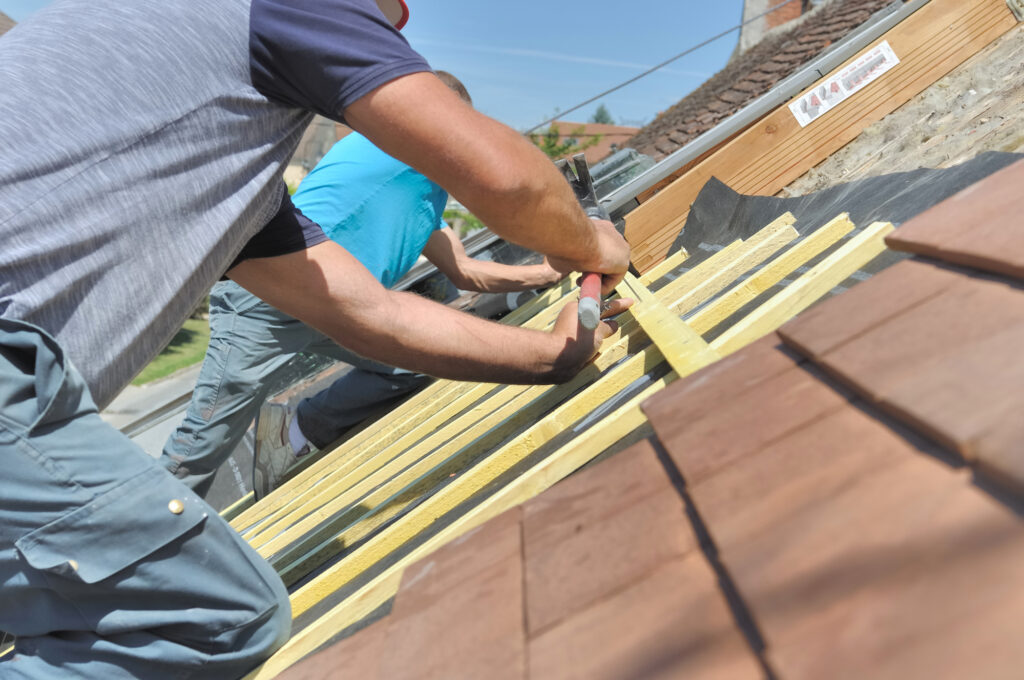
Tile roofing has adorned homes for centuries, bringing timeless elegance and exceptional durability to residential architecture. From sun-drenched Mediterranean villas to charming Spanish Colonial estates, certain architectural styles form a natural partnership with tile roofing that elevates both the aesthetic appeal and functional performance of a home. Understanding which architectural styles best complement tile roofing can help homeowners make informed decisions about their roofing materials while honoring the historical integrity of their home’s design.
The Enduring Appeal of Tile Roofing
Before exploring specific architectural styles, it’s worth understanding why tile roofing remains a premier choice for discerning homeowners. Tile roofs offer exceptional longevity, often lasting multiple decades with proper maintenance. They provide superior fire resistance, excellent insulation properties that help regulate indoor temperatures, and remarkable resilience against harsh weather conditions. The dimensional quality of tile creates distinctive shadow lines and texture that flat roofing materials simply cannot replicate, adding depth and visual interest to any home’s exterior.
Mediterranean Architecture: A Perfect Marriage
Mediterranean-style homes and tile roofing share an intrinsic connection that dates back centuries. This architectural style, inspired by coastal European villas, features stucco exteriors, arched doorways, and decorative wrought iron details that harmonize beautifully with the warm, earthy tones of clay and concrete tiles.
The low-pitched or barrel-style tile roofs characteristic of Mediterranean homes serve both aesthetic and practical purposes. In warm climates, these roofs help reflect heat and allow for better air circulation, keeping interiors cooler during hot summer months. The undulating surface of barrel tiles creates a distinctive profile that has become synonymous with Mediterranean elegance, while the color palette, ranging from terracotta to burnt orange, complements the neutral stucco walls perfectly.
Spanish Colonial Revival: Historic Charm
Spanish Colonial Revival architecture flourished in the early twentieth century and remains beloved for its romantic, Old World charm. These homes typically feature thick stucco walls, carved wooden doors, interior courtyards, and most notably, clay tile roofs that echo Spain’s architectural heritage.
The distinctive red clay tiles on Spanish Colonial homes do more than provide shelter; they tell a story of cultural influence and historical continuity. The tiles’ rich, warm hues age gracefully, developing a beautiful patina over time that adds character and authenticity. The style often incorporates multiple roof levels, dormers, and decorative parapets that allow tile roofing to create visual interest through varied planes and angles.
Mission-Style Homes: Southwestern Sophistication
Mission-style architecture, inspired by Spanish missions throughout the American Southwest, embraces simplicity and functionality while maintaining distinctive aesthetic appeal. These homes feature smooth stucco walls, rounded arches, and prominently displayed tile roofs that serve as the crowning architectural element.
Mission homes often incorporate tile roofing in warm earth tones that complement desert landscapes and southwestern color schemes. The roofs typically feature gentle slopes with wide overhangs that provide shade and weather protection. This practical approach to design makes tile roofing not just beautiful but essential to the home’s overall functionality and climate adaptation.
Italian Renaissance: Grand European Elegance
Italian Renaissance-style homes bring Old World sophistication to residential architecture through symmetrical designs, elaborate detailing, and commanding presence. These stately homes feature columns, balustrades, and formal gardens that create an atmosphere of refined elegance, with tile roofing playing a crucial role in achieving authentic period character.
The tile roofs on Italian Renaissance homes often showcase more varied colors and patterns than other styles, sometimes incorporating multiple shades or even glazed tiles for accent. The rooflines themselves tend toward complexity, with multiple hips, valleys, and dormers that demonstrate the versatility of tile as a roofing material. Professional roof repair services become particularly important for these complex roof systems, as maintaining the intricate details and ensuring proper installation requires specialized expertise and experience with historical architectural elements.
Tuscan Villa: Rustic Italian Beauty
Tuscan-style homes evoke the rolling hills and vineyard-dotted landscapes of rural Italy through their warm color palettes, natural materials, and relaxed elegance. These homes feature stone or stucco exteriors, exposed wooden beams, and abundant outdoor living spaces that blur the line between interior and exterior.
Tile roofing in warm, weathered tones completes the Tuscan aesthetic, often appearing purposefully aged to suggest centuries of Mediterranean sunshine. The slightly irregular appearance of authentic tile adds to the rustic charm, while the material’s durability ensures the roof can withstand the elements for generations. Tuscan homes frequently incorporate tower elements or varied roof heights that showcase tile’s adaptability to complex architectural forms.
Contemporary Interpretations: Modern Takes on Classic Style
While tile roofing has deep historical roots, contemporary architects have discovered innovative ways to incorporate this traditional material into modern designs. Clean-lined contemporary homes now feature sleek, monochromatic tile roofs that provide texture and dimension without overwhelming minimalist aesthetics.
Modern color options extend beyond traditional terracotta, offering slate grays, deep charcoals, and even cool whites that complement contemporary color schemes. Flat profile tiles can create a more streamlined appearance while maintaining the tile’s functional benefits, proving that this ancient roofing material continues to evolve and adapt to changing architectural trends.
Choosing the Right Tile for Your Home
Selecting appropriate tile roofing involves considering both aesthetic preferences and practical requirements. Clay tiles offer an authentic traditional appearance and natural color variation, while concrete tiles provide versatility in color and style at a different price point. The weight of tile roofing requires proper structural support, making a professional assessment essential before installation.
Climate considerations also influence tile selection, as certain tiles perform better in freeze-thaw cycles while others excel in constant heat exposure. The roof’s pitch, the home’s architectural details, and neighborhood aesthetic guidelines all factor into making the optimal choice for your specific situation.
Maintaining Tile Roof Beauty and Function
Proper maintenance preserves tile roofing’s beauty and extends its impressive lifespan. Regular inspections help identify potential issues before they become major problems, while professional cleaning removes debris and organic growth that can compromise tile integrity. Individual damaged tiles should be replaced promptly to prevent water infiltration and subsequent structural damage.
The underlayment beneath tiles requires periodic assessment, as this protective barrier may need replacement before the tiles themselves show significant wear. Flashing around chimneys, valleys, and roof penetrations demands particular attention, as these areas are most vulnerable to leaks and weather damage.
Contact us today for a consultation and estimate. We’ll visit your property, discuss your vision and goals, evaluate your home’s specific requirements, and provide expert guidance on the best tile roofing solution for your architectural style and budget. Let us help you create the stunning, durable roof your home deserves.
Frequently Asked Questions
What architectural styles work best with tile roofing?
Mediterranean, Spanish Colonial Revival, Mission, Italian Renaissance, and Tuscan styles naturally complement tile roofing due to their historical and cultural connections. However, contemporary homes can also successfully incorporate tile roofing with modern interpretations and color choices.
How long does tile roofing typically last?
Tile roofing can last many decades with proper installation and maintenance, often outlasting other roofing materials. Clay tiles generally last longer than concrete tiles, though both offer exceptional longevity compared to asphalt shingles or other alternatives.
Can tile roofing be installed on any home?
Tile roofing requires adequate structural support due to its weight. A professional assessment determines whether your home’s framing can support tile or whether reinforcement is necessary. Most homes can accommodate tile roofing with proper preparation.
Are tile roofs energy efficient?
Yes, tile roofs provide excellent thermal properties. The air space between tiles and the roof deck creates natural insulation, while the material itself reflects solar heat. This helps reduce cooling costs in warm climates and provides year-round energy efficiency.
What maintenance does tile roofing require?
Tile roofs need periodic inspections, debris removal, and occasional tile replacement. The underlayment may require replacement before the tiles themselves, and flashing should be checked regularly. Professional maintenance ensures optimal performance and longevity.
Can individual tiles be replaced if damaged?
Yes, individual tiles can be replaced without disturbing the entire roof. This repairability is one of tile roofing’s advantages, making it cost-effective to maintain over time. Matching replacement tiles to existing ones ensures visual continuity.