
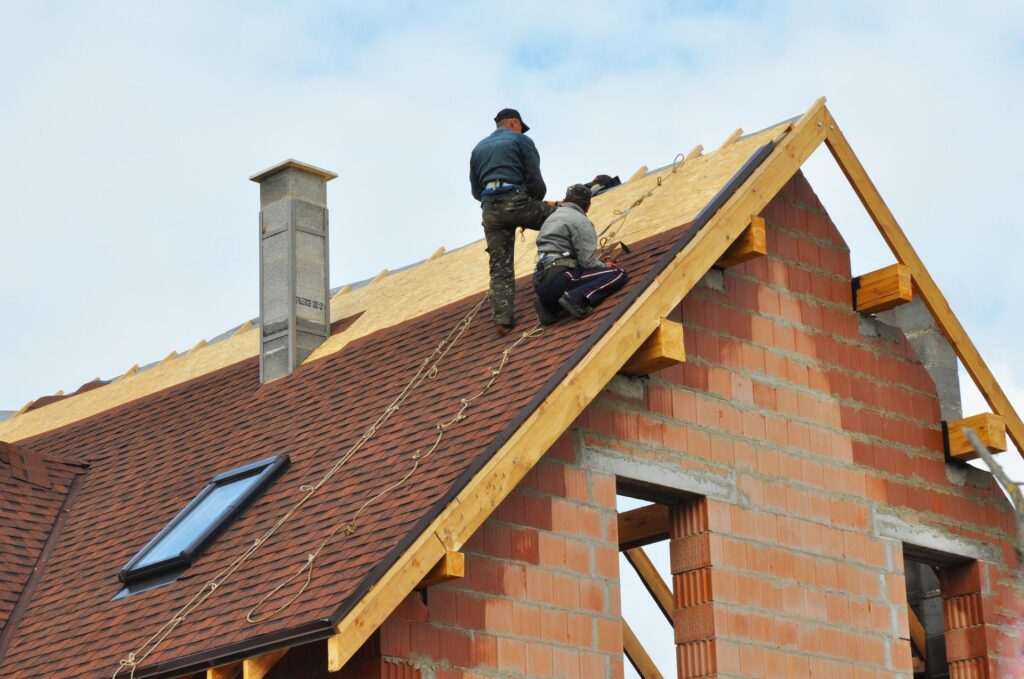
A new roof represents one of the most significant investments a property owner can make, and understanding the installation process helps set appropriate expectations for what lies ahead. Whether replacing an aging residential roof or upgrading a commercial building’s protection, the journey from initial tear-off to final inspection involves multiple carefully coordinated stages, each essential to ensuring the finished roof performs as intended for years to come.
The installation process isn’t just about placing new materials on top of a structure. It encompasses thorough preparation, attention to underlying systems, precise material application, and comprehensive quality verification. Professional roofing contractors approach each project systematically, following established procedures that have been refined through experience across diverse building types and roofing materials. Understanding these stages provides insight into what happens during installation and why each step matters to the overall outcome.
Initial Preparation and Site Protection
Before any roofing materials are removed, experienced teams take steps to protect the property and prepare the work area. This includes safeguarding landscaping, covering vulnerable areas around the building, and establishing safe zones for material delivery and disposal. Proper preparation minimizes disruption to daily activities and protects existing features that shouldn’t be affected by the roofing work.
Site preparation also involves coordinating logistics like material delivery timing, equipment placement, and debris management. Large roofing projects generate substantial waste material that must be handled efficiently throughout the process. Establishing clear systems for managing this debris from the outset keeps the work area organized and safe while preventing materials from accumulating where they might create hazards or inconvenience.
Weather Considerations and Timing
Weather plays a crucial role in roofing installation success. Professional teams monitor forecasts carefully and plan work schedules around conditions that allow for proper material installation. Different roofing materials have varying tolerances for temperature and moisture during application, and adhering to manufacturer specifications about installation conditions helps ensure warranty coverage and optimal performance.
This weather awareness extends throughout the project. Experienced contractors know when to pause work if conditions change unexpectedly and how to protect partially completed installations if weather interruptions occur. This flexibility and preparedness prevent quality compromises that could result from rushing through stages in unsuitable conditions.
The Tear-Off Phase
Removing existing roofing materials represents the first major physical stage of installation. Tear-off involves systematically stripping old materials down to the roof deck, allowing inspection of the underlying structure and ensuring the new roof starts from a sound foundation. This phase generates the bulk of project debris and typically represents the noisiest, most visibly dramatic part of the process.
During tear-off, crews work methodically to remove materials efficiently while watching for any underlying issues that may need addressing. The condition of the roof deck becomes visible during this phase, revealing whether repairs or reinforcement will be necessary before new materials can be installed. Discovering these needs early allows for timely resolution without significant project delays.
Once existing roofing materials are removed, a thorough inspection of the exposed deck identifies any areas requiring attention. This might include replacing damaged sections, reinforcing weak areas, or addressing moisture damage discovered beneath the old roofing. Taking time to ensure the deck is structurally sound and properly prepared creates the foundation necessary for long-lasting roof performance.
This inspection phase connects closely with comprehensive roof repair services that address not just surface materials but underlying structural elements. Identifying and correcting deck issues during installation prevents future problems that could compromise the new roof’s integrity or lead to premature failure.
Installing Underlayment and Ice Barriers
With the deck prepared, the installation of underlayment provides the first layer of the new roofing system. This protective barrier guards against moisture infiltration and serves as a secondary defense if water somehow penetrates the primary roofing material. Modern underlayment materials offer enhanced protection compared to traditional options, contributing significantly to overall system performance.
In areas prone to ice damming or where building codes require additional protection, ice and water barriers are installed along vulnerable sections like eaves, valleys, and around penetrations. These specialized materials provide extra security in locations where water accumulation or ice formation could otherwise create leakage risks.
Primary Roofing Material Installation
Installing the visible roofing material represents the stage most property owners associate with roof installation. Whether applying asphalt shingles, setting tiles, installing metal panels, or applying coatings, this phase requires careful attention to manufacturer specifications and proper technique. Each material type has specific installation requirements regarding fastener placement, overlap patterns, and environmental conditions.
Professional installers work systematically across the roof surface, ensuring consistent application that meets both aesthetic standards and performance requirements. This includes maintaining proper alignment, achieving appropriate exposure rates, and securing materials adequately to withstand wind and weather. The visible quality of installation during this phase reflects the skill and care applied throughout the process.
Ventilation and Attic Considerations
Proper roof ventilation contributes significantly to system longevity and building energy efficiency. During installation, attention to ventilation requirements ensures adequate airflow that prevents moisture accumulation and excessive heat buildup in attic spaces. This might involve installing ridge vents, soffit vents, or other ventilation components integrated with the roofing system.
Balanced ventilation systems that provide both intake and exhaust airflow help regulate attic temperatures and moisture levels throughout the year. This regulation protects roofing materials from premature degradation while contributing to more comfortable interior environments and potentially reducing energy costs.
Final Inspection and Quality Verification
Comprehensive inspection represents the final critical phase of roof installation. This involves examining all aspects of the completed work to verify proper material application, confirm flashing integrity, check fastener security, and ensure the finished system meets both manufacturer specifications and applicable building codes.
Quality verification includes both contractor self-inspection and often third-party or building department inspections, depending on local requirements and project scope. These inspections assure that the installation was completed properly and that the roof will perform as expected throughout its service life.
Cleanup and Site Restoration
Professional installation includes a thorough cleanup that returns the property to pristine condition. This involves removing all debris, conducting magnetic sweeps to collect stray fasteners, and ensuring landscaping and other property features are restored to their pre-project state. Attention to cleanup demonstrates respect for the property and ensures nothing about the installation process creates ongoing inconvenience or hazards.
The completion of cleanup and final inspection marks the transition from active construction to enjoying the benefits of a new, protective roof system. At this point, property owners receive documentation about their installation, warranty information, and guidance about maintenance practices that will help maximize roof longevity.
Understanding the Timeline
Installation duration varies based on project scope, building size, material type, weather conditions, and crew size. Understanding that quality installation cannot be rushed helps property owners maintain realistic expectations about project timelines. Experienced contractors balance efficiency with thoroughness, working steadily through each phase without compromising quality for speed.
Throughout the installation process, maintaining communication with the roofing team helps address questions, coordinate around specific property needs, and stay informed about progress. This ongoing dialogue contributes to smoother projects and ensures any concerns are addressed promptly.
The roof installation process encompasses multiple carefully orchestrated stages, each contributing to the creation of a durable, protective roofing system. From initial tear-off through final inspection, experienced contractors bring systematic approaches refined through diverse projects across residential, commercial, government, and historic buildings. Understanding this process helps property owners appreciate the complexity involved and recognize the value of professional installation that prioritizes both immediate quality and long-term performance. Whether you’re considering a complete roof replacement or exploring options for extending your current roof’s life through repairs and maintenance, we invite you to connect with our team to discuss how our tailored solutions can meet your specific property needs.
Frequently Asked Questions
How much noise should be expected during roof installation?
Tear-off and fastening stages generate the most noise, while other phases like underlayment installation tend to be quieter. Most homeowners find that while installation creates noticeable sound, it’s manageable and temporary, typically lasting only during active work hours.
What happens if unexpected damage is discovered during the tear-off?
Reputable contractors communicate immediately when underlying issues are found, explaining what needs attention and providing options for addressing problems. This transparency allows property owners to make informed decisions about necessary repairs before proceeding with installation.
How soon after installation can the roof be exposed to weather?
Most roofing systems provide immediate weather protection once primary materials are installed, though some products, like certain coatings, may require curing time before exposure to moisture. Contractors plan installations to minimize exposure of vulnerable stages to weather.